-
What is The Slow Run?
It’s that run that you do although you stayed up late last night.
It’s that run that you do even though you drank a tad too much the day before.
It’s that run that is not gonna get you a place on the podium.
It’s that run that you do for fun.
It’s that run where you can enjoy the scenery.
It’s that run where you stop from time to time, take a photo of a great view, a duck, a lake, whatever sparks joy in you.
It’s that run that makes you enjoy life again.
It’s that run when things get quiet in your head.
It’s that run where the pace doesn’t really matter.
It’s the run that makes you feel alive.
❤️………..🏃
-
The magic of magnesium
I was at kilometer 15 of a 24 km trail race with a significant altitude gain. It was my second trail run and my third race ever. I was a total novice. Back then, I had this voice at kilometer two or three that was telling me: “Why did you join this race?! It’s terrible; it’s hard; it’s painful; we’re suffering; let’s drop out; it’s not worth it; come on!”. That was a funny voice. Thankfully I never listened to it, and it went away after a few years of running and a couple more races.
But back to km 15: it was a great race until then, the scenery was amazing, I met some great people along the way, and I was running with them in a pack. I was getting pretty tired and started walking from time to time. In a split second, both my hamstrings and quadriceps got locked. There were a few signs beforehand, but I chose to push forward. Full stop. This is not a joke; my legs don’t want to move anymore. They’re like big blocks of cement, really stiff. What now?
“Hey, what’s up?” a person I was running with asked.
“My legs are stuck, they’re jammed”
“Ok, take this.” she opens her little running bag and gives me this round tablet containing magnesium. I took it, and we started slowly walking, one foot in front of another – it was the best I could muster. Miraculously we reach a checkpoint, and I get water to wash down the tablet. Slowly I start feeling the tension in my legs fading away. It did not take too much; only 5 min had passed since I first put the pill in my mouth.
“This is freaking amazing!” I tell her.
“My legs seem to work again”
“Yep, magnesium helps with the cramps, it relaxes your muscles. I always have magnesium with me at races”.
Thank God she had those pills and that she was kind enough to share them with me. If not, I would have probably either dropped out or painfully dragged my legs, literally, for the last kilometers. That wouldn’t have been pleasant, and I’m not sure if, at the time, I had developed that running toughness to go over the finish line despite the immense pain.
Since that experience, I always have had magnesium with me at races. I even bought the same tablets, doubting that anything else works.
“Those tablets have some magic in them” – I told myself.
I never saw this kind of effect on the muscles. It’s amazing to go from dragging your legs to running again in just 5 minutes, after taking one dose of magnesium. I’ve experienced this several times since then. At my first marathon, I got a nasty stiffness in my quadriceps, and I had to take two tablets to get my legs to finish the last 8k.
Fast forward a few years later, and my tactics matured. I found a better source of magnesium. Instead of those tablets that took some time to consume and needed water to wash down, I started taking small flasks(25 ml) of liquid magnesium. They’re tasty, and you can drink them in 3 seconds. Also, I started taking magnesium before the cramps even started. I’m now taking them preemptively and not treating the cramp when it happens. I usually take one after 12 – 15km and then after each new 10 km.
Magnesium is by far the best supplement that helps me in the long runs. The second best is the caffeine gel. It gives you a well-needed boost when you most need it, like at km 23 of a marathon when you start losing that freshness. The combo of highly processed carbs that your body can immediately use as fuel plus the caffeine gives you a kick. And that kick lasts for a bit. In my case, around 5 km. In the case of a marathon, I take another gel at the 30 km mark.
TL;DR(Too long, did not read):
Amature runner tip: Have at least two doses of magnesium(in whatever form) with you at any competition and take them when or before your muscles get stuck. If you need a boost of energy, get a gel containing caffeine. Enjoy!
-
The runner’s home
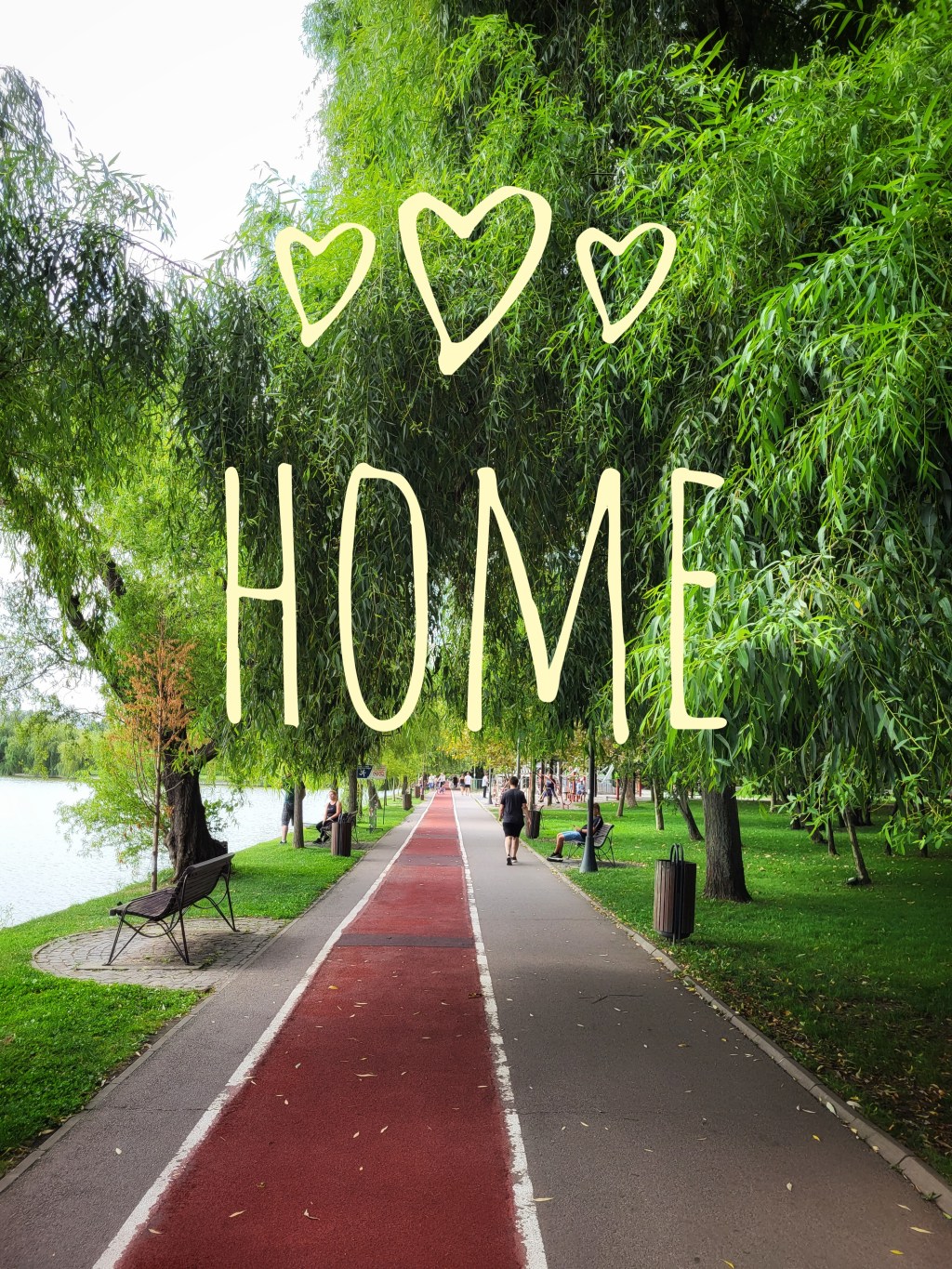
Home. What is home? Home is where you feel safe, where you know each room in detail, where everything is familiar.
The runner’s home. What’s that? It’s the place where you usually go for a run, your default. It’s that place that you can reach with your eyes closed while dancing through the crowd. It’s that place where you know every corner, (almost) every bump or hole. It’s that place where you have a well-known route to reach 10, 12, or 15 km.
I am a man of routine; I like it. Of course, I also enjoy changing things from time to time, but I also need a place where I know what to expect. That place for me is the IOR Park. I wrote a full review here.
My home is around 1.5 km from the park and just 2 green lights away. I go out through the back of the flat, run along a road with cute houses that have cherries in late May, then I pass a busy intersection, and it’s a straight line towards the park. I reach the statue of an important historical figure, Alexandru Ioan Cuza. I quickly bow and then enter the park.
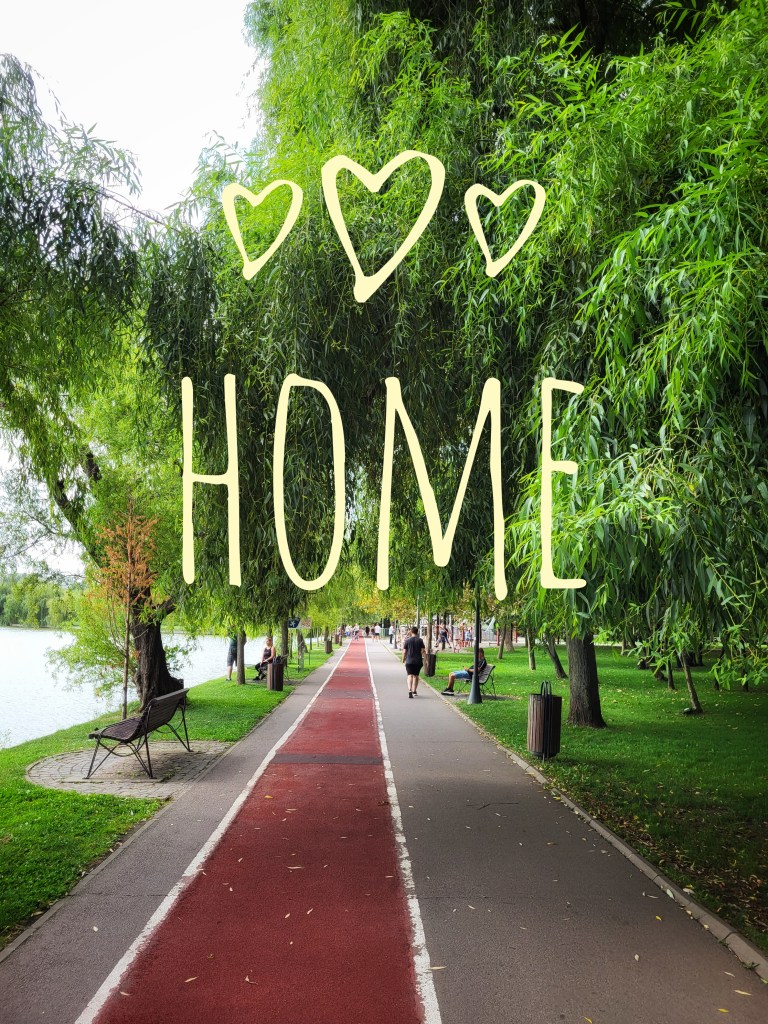
The running lane in IOR The IOR Park is the largest in the area, clean and well organized. From the entrance, I go straight, take the stairs down to the lake, and start running on the new running lane. I always go in the same direction. I always take a right after going down the stairs to the lake. Only once did I go left. Oh boy… it was soooo weird. It was like I was running in a different place, sort of familiar but strange.
I circle the lake once or twice, switching between the long route around the edge and the inner one right around the lake. My usual target is 10 km. In this case, I’ll run two short loops and then head back home on the same route, but on the other side of the road like it’s a one-way pedestrian road(it’s not).
This is my home for running: IOR with a 10 km run. What’s yours?
-
Carol Park – The Romanian Rocky Stairs
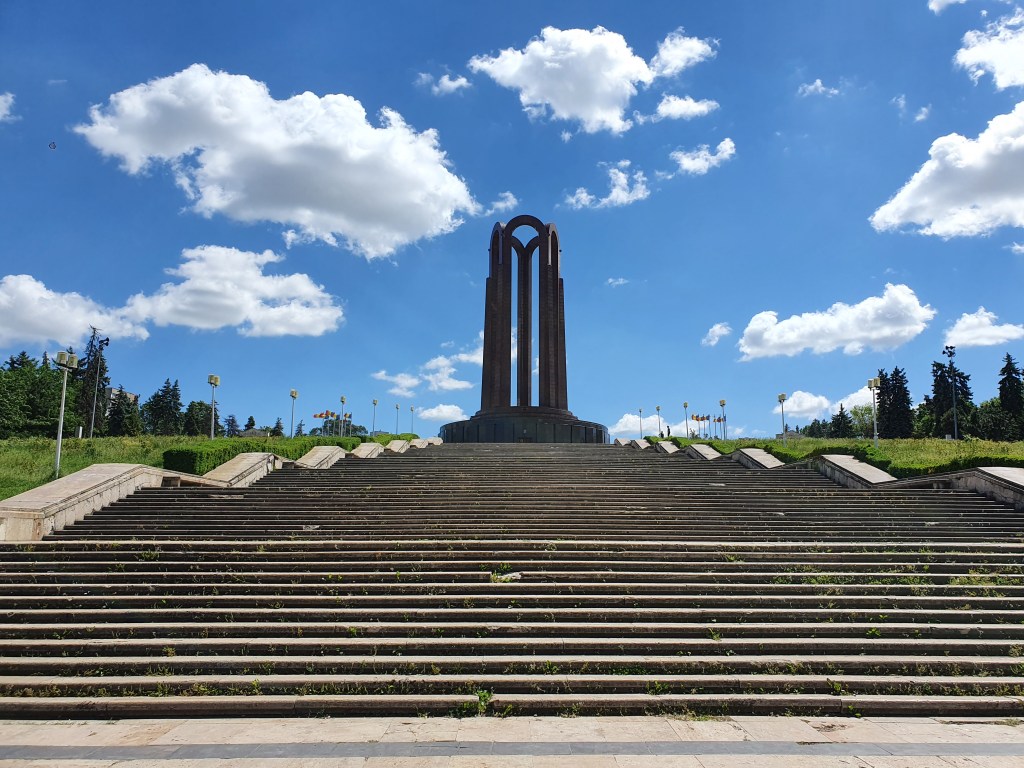
The Carol Park, named after our first king, is an interesting one. Bucharest is 99% flat, but this one has a hill. You can reach the top by going up a slow and steady incline on the two sides or going through the middle of the park and climbing the stairs. Those stairs always remind me of the movie Rocky.
The stairs to the monument in Carol Park In Rocky, Sylvester Stallone is training hard for a rare chance at winning the heavyweight title. He goes out running strong and finishes by sprinting up the stairs of the Philadelphia Art Museum in a climax of effort. He stops at the top, celebrates by raising his hands, and gazes at the city lines.
In Carol Park, you have something similar to those iconic Rocky stairs, which offer you a little glimpse of Bucharest. As you enter the park through the Zodiac Fountain, you see a straight line to a weird, tall, and skinny monument at the top of a huge staircase.
When I go for a run here, I like imagining that I’m Rocky: running towards the stairs, building up speed with each step, and then I reach the stairs and go up like possessed. I usually get to the top breathless, stop for a moment, and gaze at the surroundings. I once counted the number of steps, and there are 96 – more than the 72 Rocky climbed in the movie.
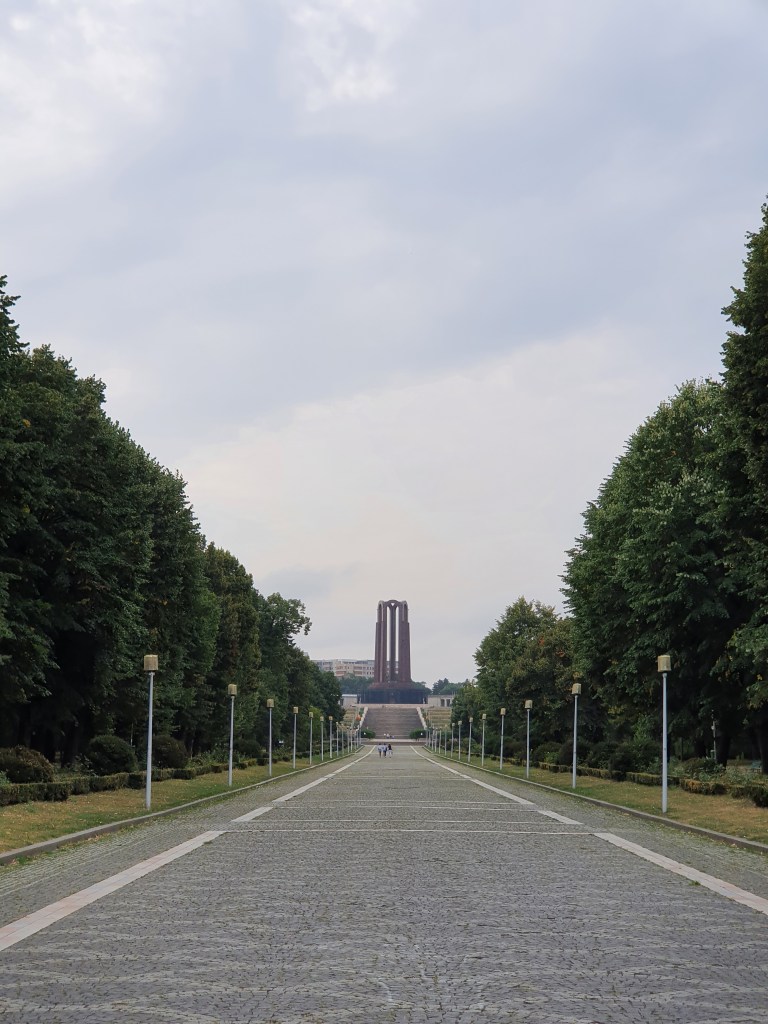
The point where the sprint begins At the top, there’s a big army memorial building, honoring our heroes from the world wars and the Romanian independence war of 1877. A burning torch stands always lit at the base of the monument, guarded by two soldiers with rifles in hands. If you run enough around the mausoleum you might even catch the change of guards. It’s a formal ceremony led by a commander that gives the order; the two guards salute, present arms, and march out of their positions, replaced by two other soldiers.
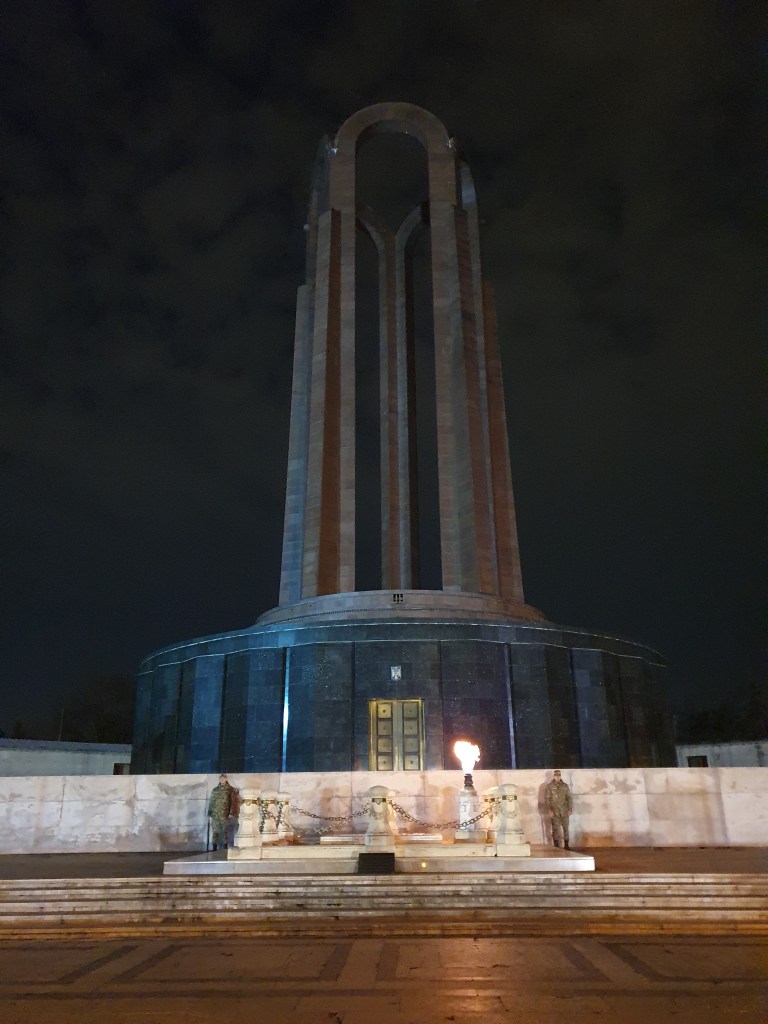
The burning torch guarded by two soldiers Like most Bucharest parks, Carol park has a lake in the center. Not as big as you can see in IOR or Herastrau, but lively. You can see a few ducks, swans, and people that rent boats and go for a ride. Around the lake, you can find a couple bars and restaurants, and an event venue with frequent concerts.
You can see a decent amount of runners, and also quite a few people just doing fitness training around the stairs, going up and down, up and down. On the weekends and summer evenings, it can get quite crowded. Plenty of people come here to hang out, walk, and relax.
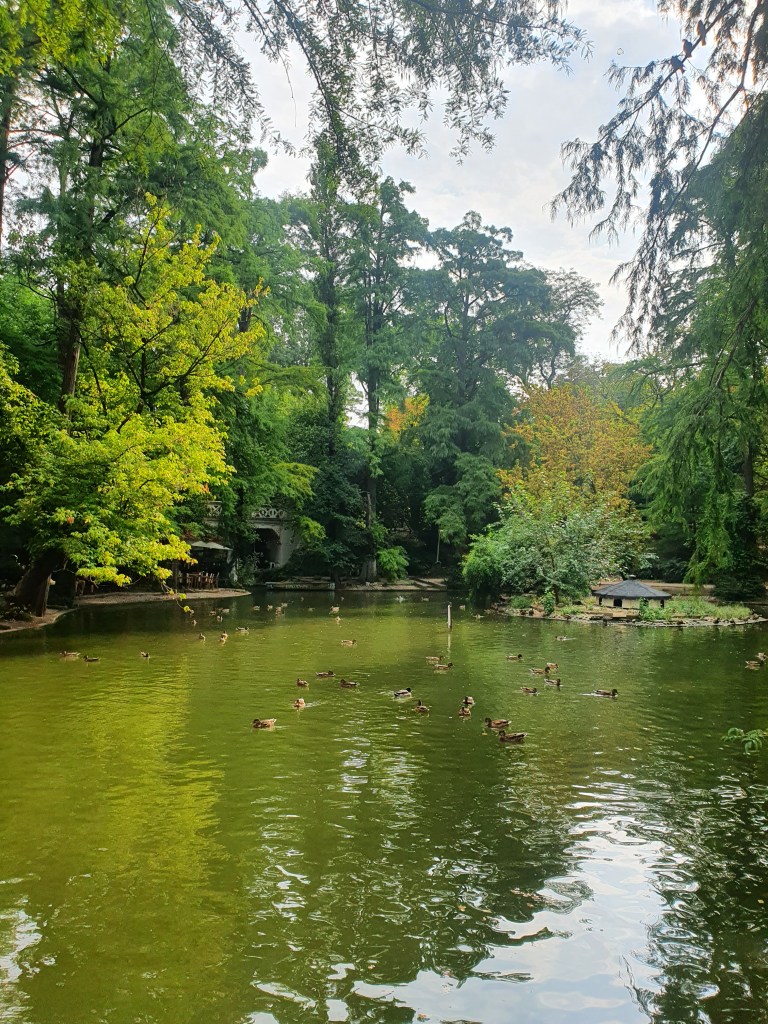
Ducks on the lake My usual route takes me up the stairs, doing a couple of circles at the peak, and then going down through one of the sides. Once down, I go up through the other side and start doing this big circle of around 2.5 kilometers around the park’s edges. If you want to run less disturbed by others then definitely use the outer parts of the park.
If you’re up for a long run, it’s convenient because when you get bored of this park, you can jump right into the next one: Tineretului Park. They’re less than 5 minutes away from one another. I usually go to Carol when I want to do a 12-15 km training or more. It takes me around 3 km to reach it, and I love that I go past the Dambovita River next to Unirii Square where I can sometimes catch a pretty sunset over the river.
Located close to the city center, Carol Park is certainly worth a run, especially if you’re training for a hilly race.
Crowdedness 3/5 ★★★☆☆ – not that crowded
Largeness 3/5 ★★★☆☆ – medium sized
Elevation 4/5 ★★★★☆ – good elevation
Amenities 4/5 ★★★★☆ – good amenities -
My training routine for a slow but enjoyable marathon
I’m rerunning the marathon next month in beautiful Transylvania. My goal: finish in under 5 hours and enjoy every second of it.
Every goal needs a strategy and a plan. Otherwise, it’s just a dream. So, how do I prepare for a marathon?
First, I do not have a rigorous routine scheduled to the hour, but I have a timeline and make training my top priority every week. My strategy is to increase the number of kilometers each week, running at least one kilometer more than the previous one. I start doing this around two months before the race.
I schedule 2-3 running sessions weekly with one long 21km run around one month before the competition. This run helps me get my legs accustomed to longer distances. Around 2-3 weeks before the race, I do a 32km run for the same reason.
Besides running, I also hit the gym. Some of it is just the usual routine I do regardless of whether I’m training for a marathon. Strengthening my core is a must to avoid injuries. What I do extra as part of my marathon training is that I increase my leg day training, especially if I’m running a trail race.
The week before the competition, I take it easier, decreasing the number of kilometers and training sessions for my legs to unwind and be prepared to give their best in prime time. I start looking at pictures from previous editions and examine the route to get in the mood.
I’ve battle-tested this routine a few times with good results. I don’t expect this to help set personal records, but that’s not my goal. I just want to be able to enjoy the race and finish it without significant issues.
Noteworthy to say is that if you’ve just started running, this strategy can still work, but I would advise you to start training earlier than 2 months. I’m constantly running every week for the last 7 years, and I’ve finished several races.
All in all, enjoy your training and have fun at the race; it too shall pass.
-
Running the Rome Marathon without proper training
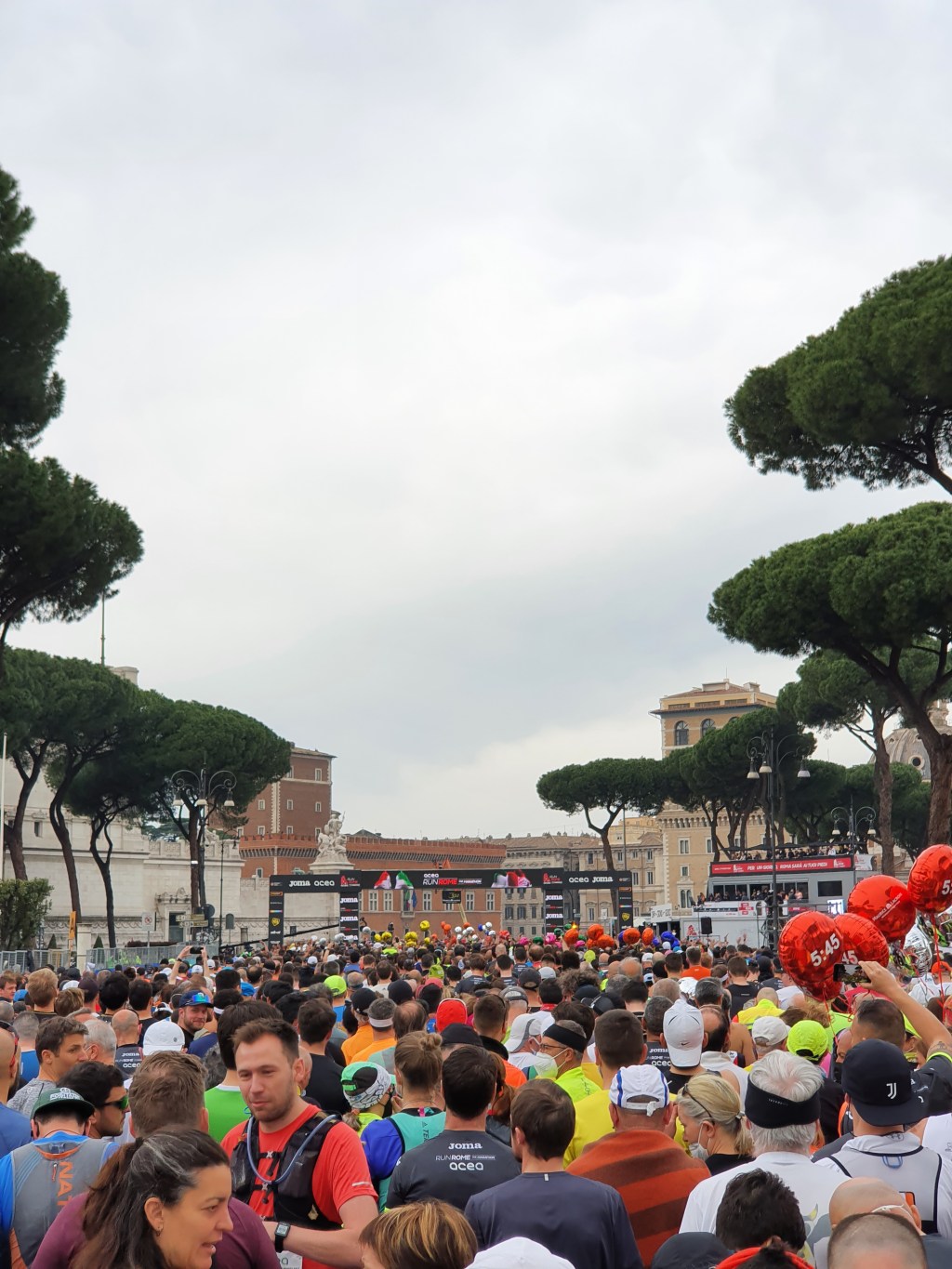
All roads lead to Rome. Or do they?
The Rome marathon was going to be my first competition outside Romania, one I had delayed for 2 years. I was due to run it in 2020, but that edition was canceled because of the pandemic. Then I skipped the 2021 race and finally decided I would run it in 2022. Or would I?
“Everyone has a plan until they get punched in the mouth” – Mike Tyson. Something similar happened to me; I got hit in the face by a pointy cement curb. Well, not really in the face but on the left side of my abdomen. I couldn’t breathe for a few good seconds because of the shock. I had slipped on an inclined part of a crossing, and my ribs went right into a sharp piece of the curb. It hurt. Gradually it got worse but bearable. The day before, I had done a 13 km training run. I was planning a longer one a few days later. Good luck with that said life.

Visualizing my fight in the Colosseum Thankfully, my ribs weren’t fractured, but my intercostal muscles were telling me they wouldn’t cooperate with my plans to build up more and more kilometers as part of my training routine for the marathon.
I took a complete one-week break. Then I tried doing a short run, but it hurt, so I stopped after 4 km. The day after, the pain was worse, especially when walking. It seems like running didn’t help with healing. I listened to my body and took another week of rest. My next run after this break didn’t go too well either; it still hurts and affects my capacity to move. I’m on medication, and there are only 2 weeks left until the competition. My longest training so far was a 21 km run, and I hadn’t run more than that in over 2 years. What should I do? What’s the point of going to Rome?
I’m a bit depressed at this point. I was really looking forward to this race after the pandemic years and personal hardships.
How about I start the competition and see how it goes? I’m not fully incapacitated. I can even run for a while. And there’s still some time left; maybe it gets better. And it did. I booked the flight. I decide I’m going to run really slow and then walk, and if things get terrible, I will stop and be grateful for the time I had.
One week left, and I’m able to pull a 12 km run at a decent pace. I still feel the pain, but it’s more manageable. I decided to rest the last days before the competition and not try a more extended run since I wouldn’t recuperate in time, and the gains would be slim.
I arrived in Rome 2 days before the start, and somehow my rib muscles felt the change and let me off the hook. I was feeling almost normal.
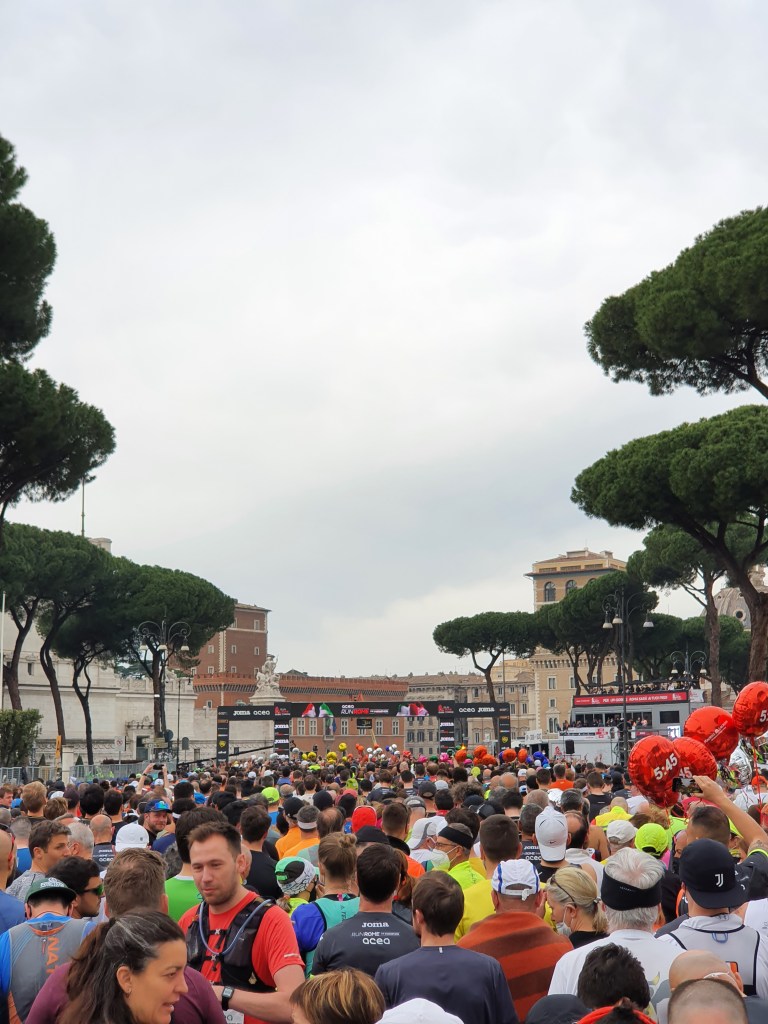
So it begins The day of the competition. I’m feeling fantastic, with no pain at all. I run the first 10km, and it’s okay. I finished the 21km, and I feel like I could run the entire 42km without any problem. But then I hit the wall; I was over-optimistic based on my poor training. At the 25km mark, I’m walking more than I’m running. The incline starts building up, so that doesn’t help also. It’s not that steep, but my legs haven’t prepared for this, and they’re getting tired.
Somewhere between the 10th and 15th kilometer, I set a new goal: to finish in under 5 hours. Funny how my mind needed a new purpose, a more challenging one, as soon as it felt the initial one(finishing the marathon walking + slowly running) was already in the bag.
I stick to the 5:00 pacers, at some point even setting a few hundred meters lead. But after finishing the first half-marathon, they start overtaking me, and I’m struggling to stay in touch. Rome is one beautiful place to run; there is so much history, nature, and lovely buildings. I’m enjoying my run and grateful that I’m feeling well physically, but part of me wants to finish under 5 hours, pushing me hard to keep the pace up. I do that for a couple more kilometers, but the cat and mouse game I’m playing with the pacers isn’t working anymore. I’m like a dog with his tongue outside, desperately trying to cool off. For the first time, I see the usefulness of the water sponges available at refreshment points, the cool water on my legs, hands, and spine is Godsent.

Refreshment point Around the 32nd kilometer, I decided I should enjoy the run more, so I gave up. I renounced this newfound goal of finishing in under 5 hours. I’m just happy that I’m healthy and in good form to run and probably finish. A huge burden lifts, and I’m again enjoying the beautiful surroundings, the crowd, and the excellent weather.
I finished in a bit over 5 hours, but man.. it felt amazing! I was able to finish my 3rd marathon ever without proper training. It wasn’t ideal, but things in life rarely are. I believe my consistent running schedule since 2016 helped me during this race, even though I couldn’t train as planned before the competition. To sum it up, I (re)learned that every run can be enjoyed and should be at least started.
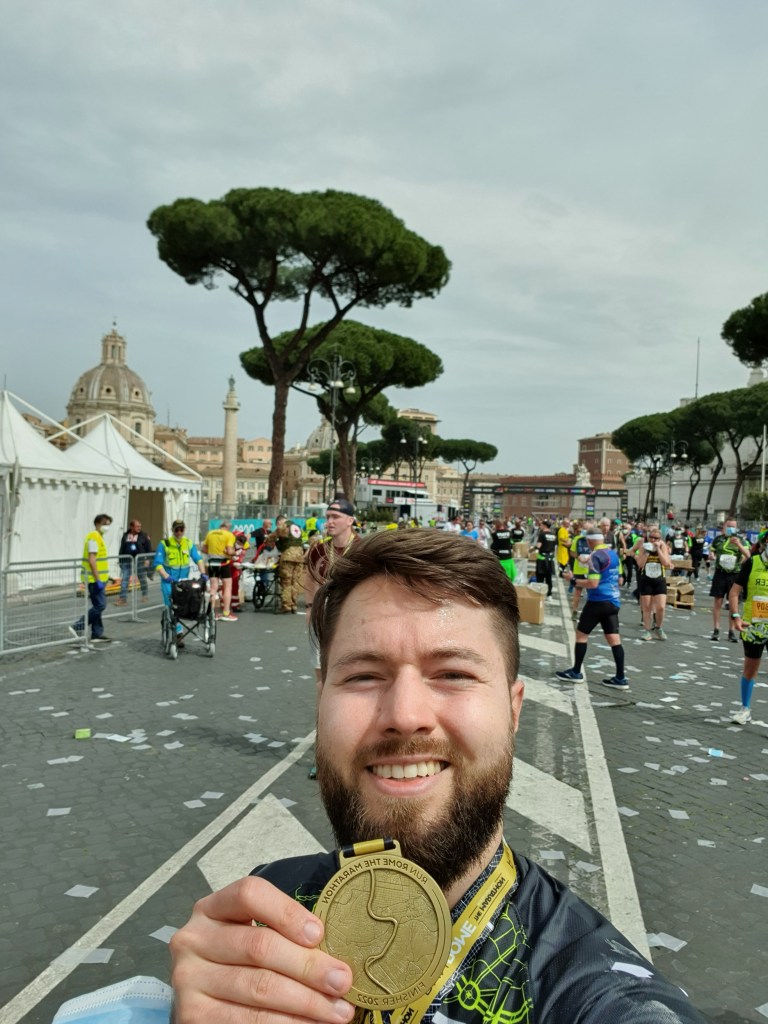
Finisher -
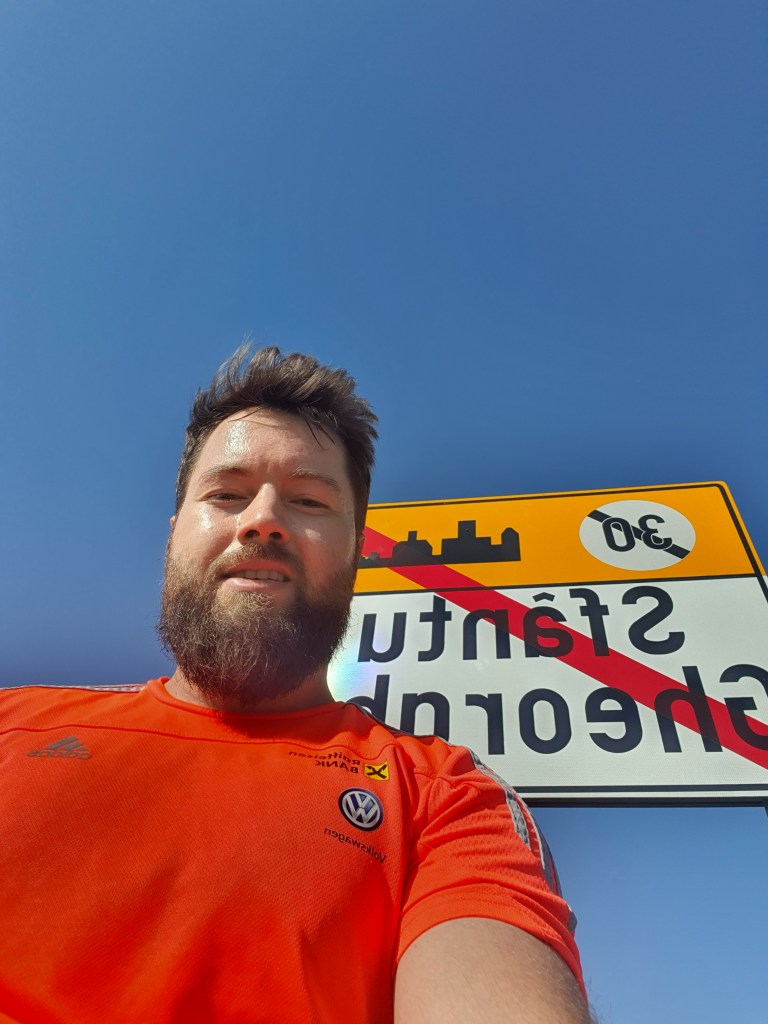
Running at a film festival in Sfantu Gheorghe
The car grinds to a halt. The main character unwillingly found vengeance, but not the one he was hoping for. He accidentally ran over the man presumed to be responsible for his mother’s death. The camera sits still letting us take it in.. and then it starts zooming out, pitch black, names start rolling in, the public applauds, and I wake up. It was the morning after, my alarm was yelling and I was replaying the movie in my dreams.
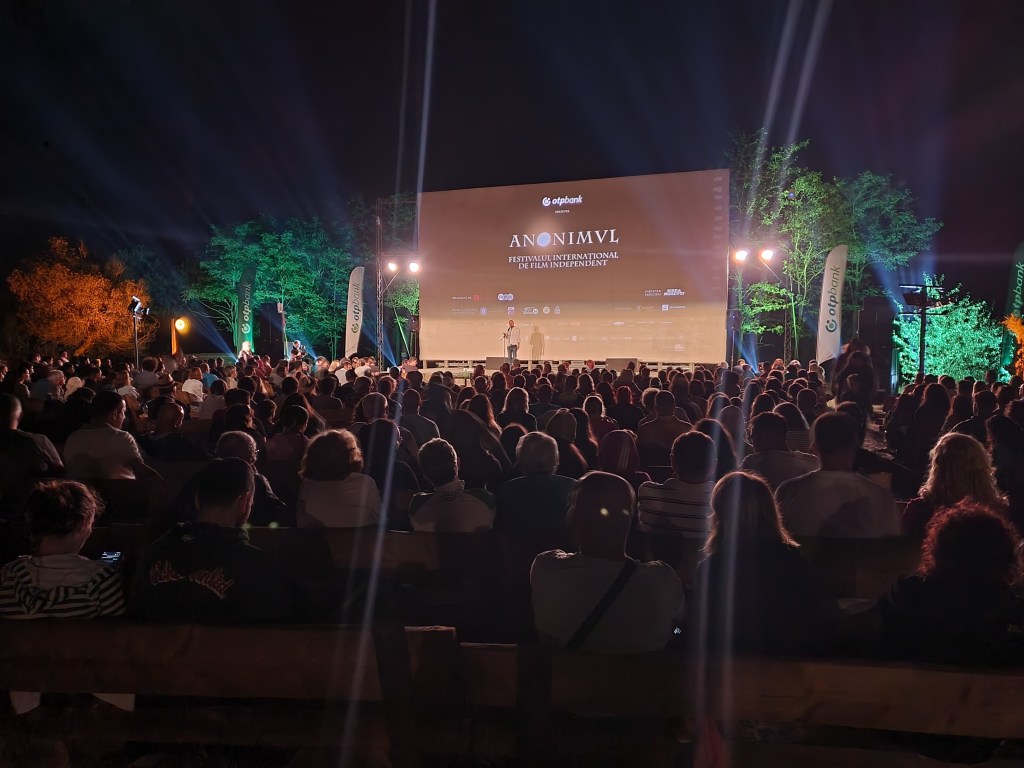
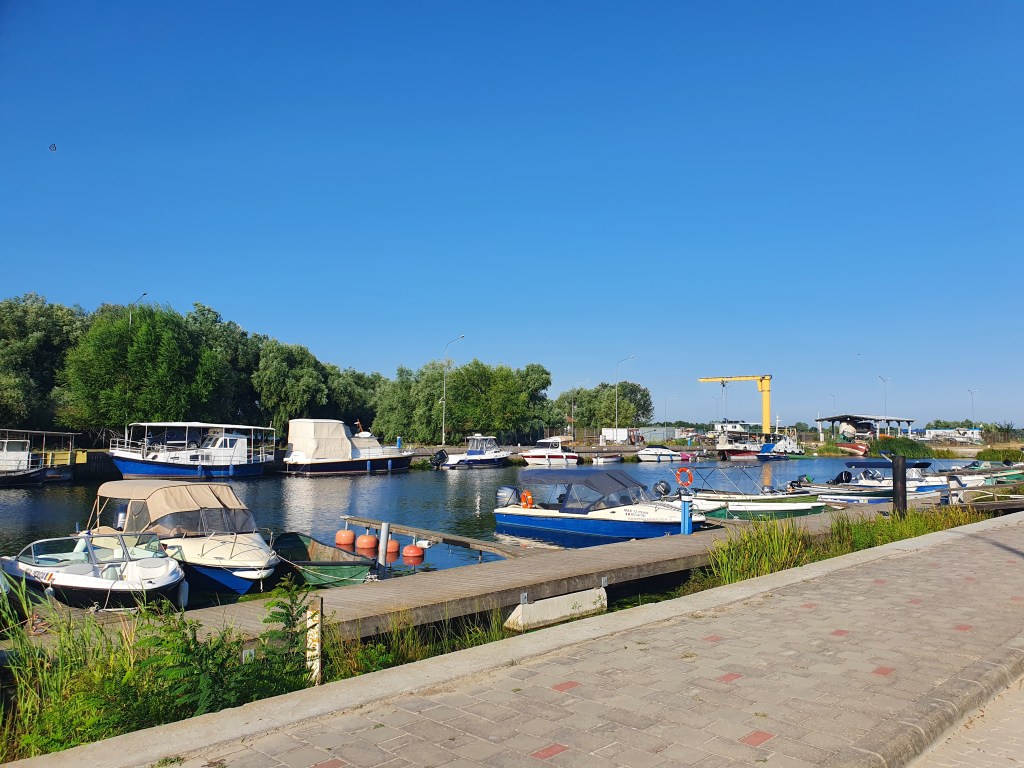
The outdoor cinema I’m in Sfantu Gheorghe, Romania, a picturesque place only accessible by boat in the Danube Delta. The place is surrounded by water, the Danube River is right there and the Black Sea is a 15-minute walk away. Every year in August there’s a film festival called “Anonimul”(Anonymous). It’s my first time and I’m enjoying the vibe. So much so that I almost forget about running… kiddin’ it’s a well-established habit that I keep even if I’m on holiday. Actually running is part of my holiday, it makes it better. I love discovering a place through running. It allows me to see and experience more.
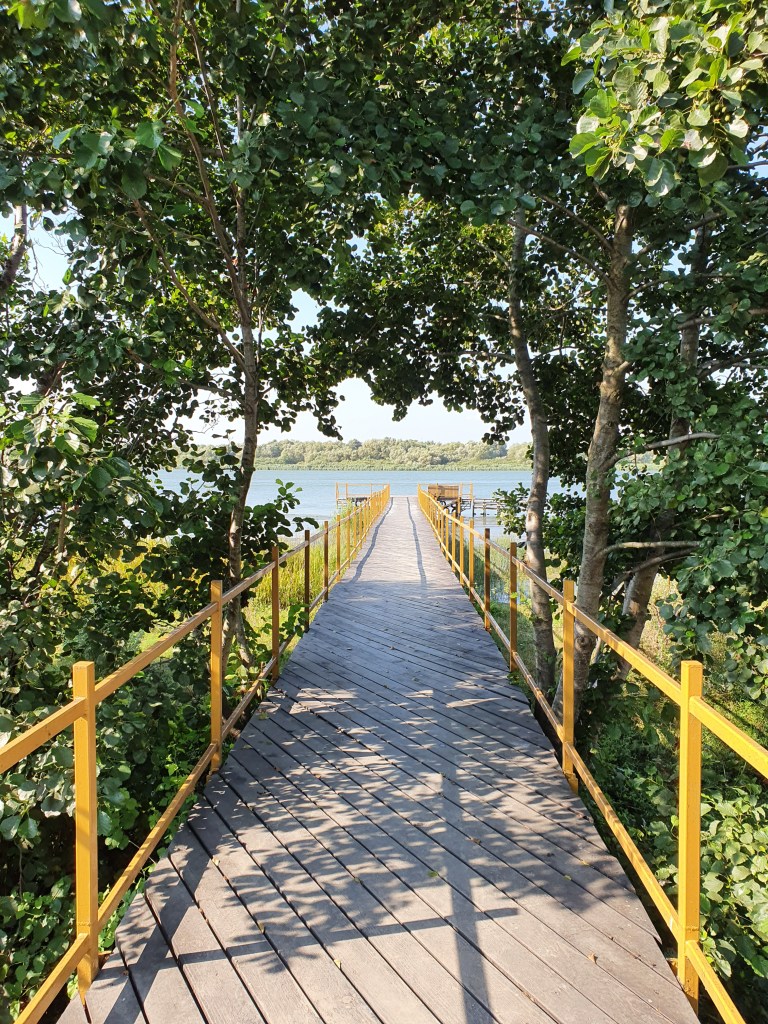
Arrival deck for boats coming to Sfantu Gheorghe I mapped a route that circles the town that starts on the dig, running along the Danube River, reaching the port, and going through the little streets towards the road to Sulina.
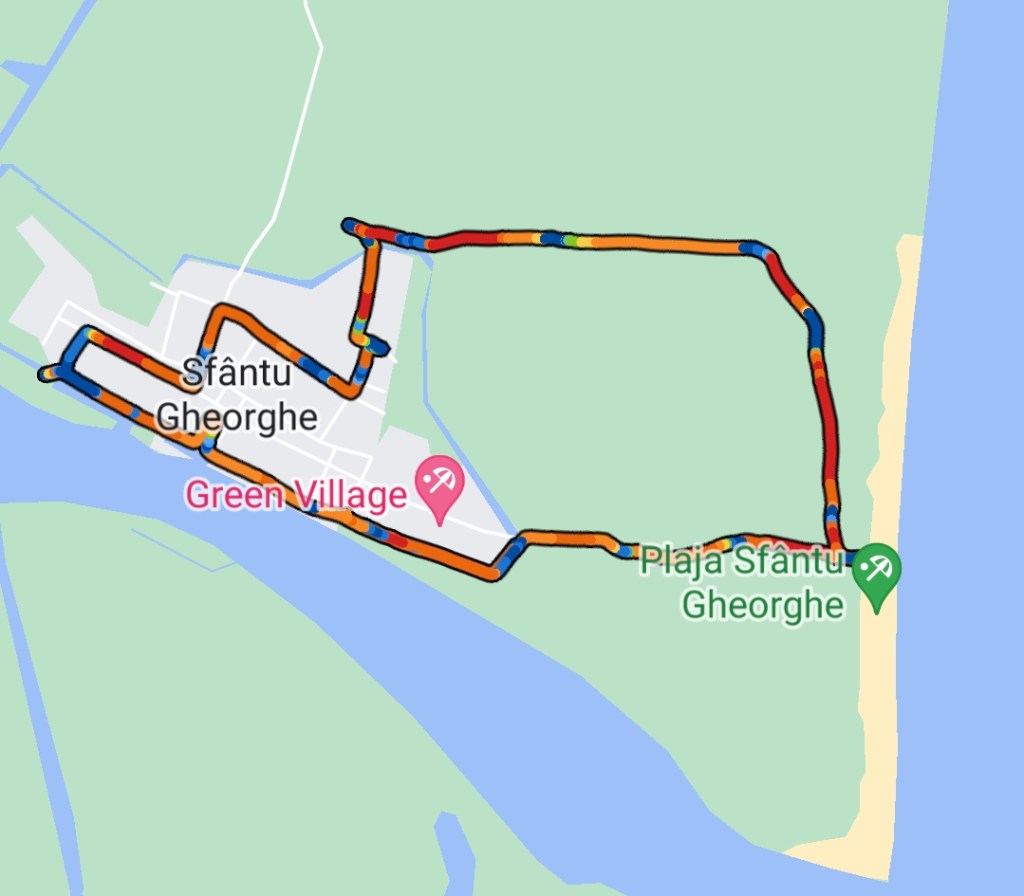
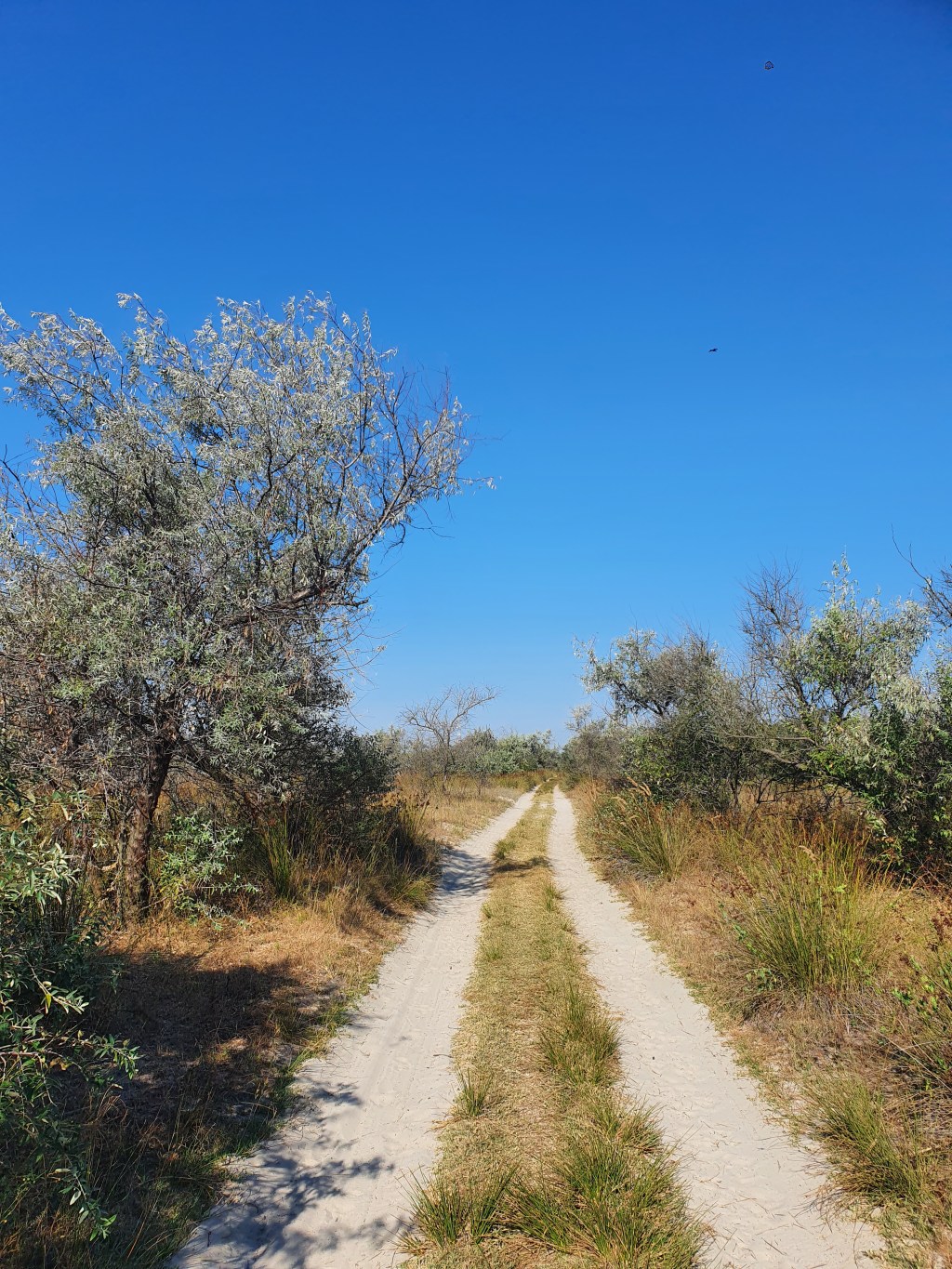
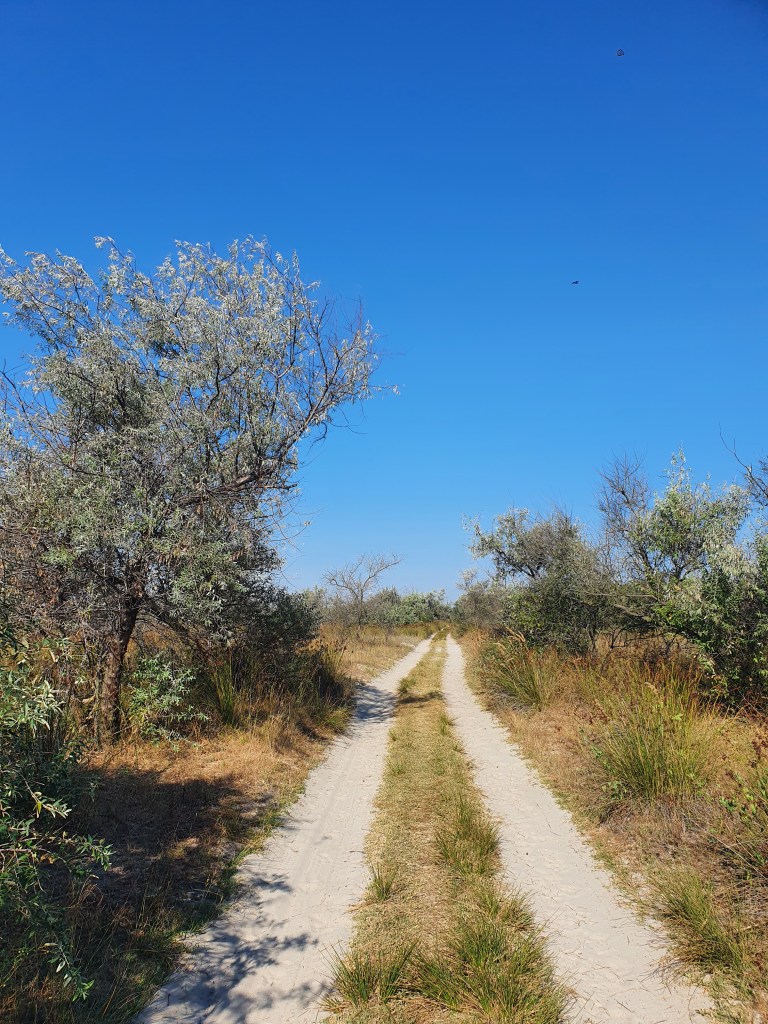
My running route I take a right at the bifurcation and continue towards the sea – my goal for this morning’s run. Up until now, I had some human company, but these roads are wild and empty. I see a few cows, but that’s all. The sun is getting stronger, the vegetation is getting thinner, I’m sweaty and the flies seem to have taken a liking to me.
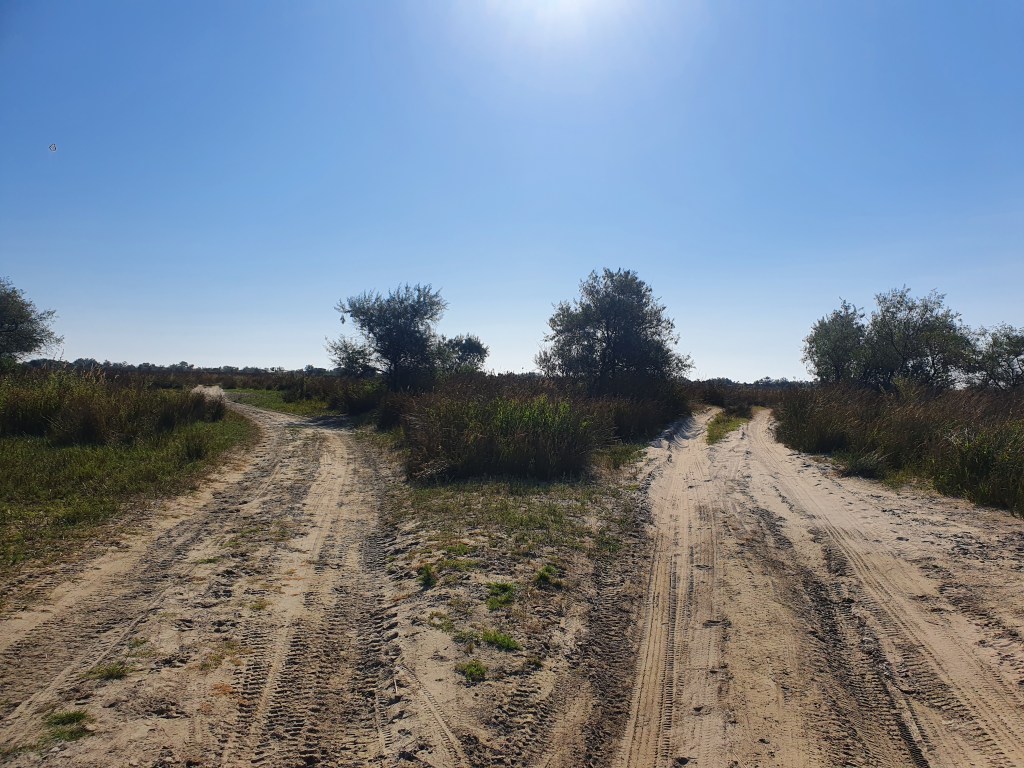
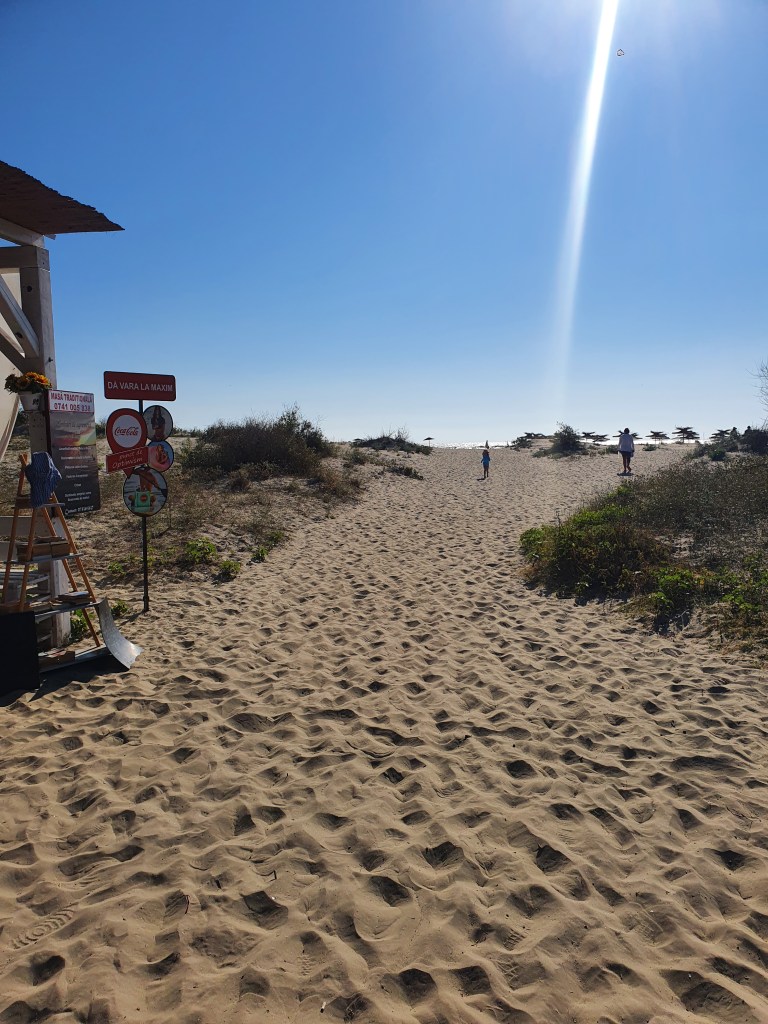
Left or right? The road becomes sandier – I’m close. And there I see it: the sea. Wish I could go for a swim to cool down – tip for next time: wear a bathing suit. I wake up again from my wake dream and sprint back to my room. People are coming in packs to the beach, I’m running against the stream. 1.6 km more and I’m back where I started ready for a cold shower.
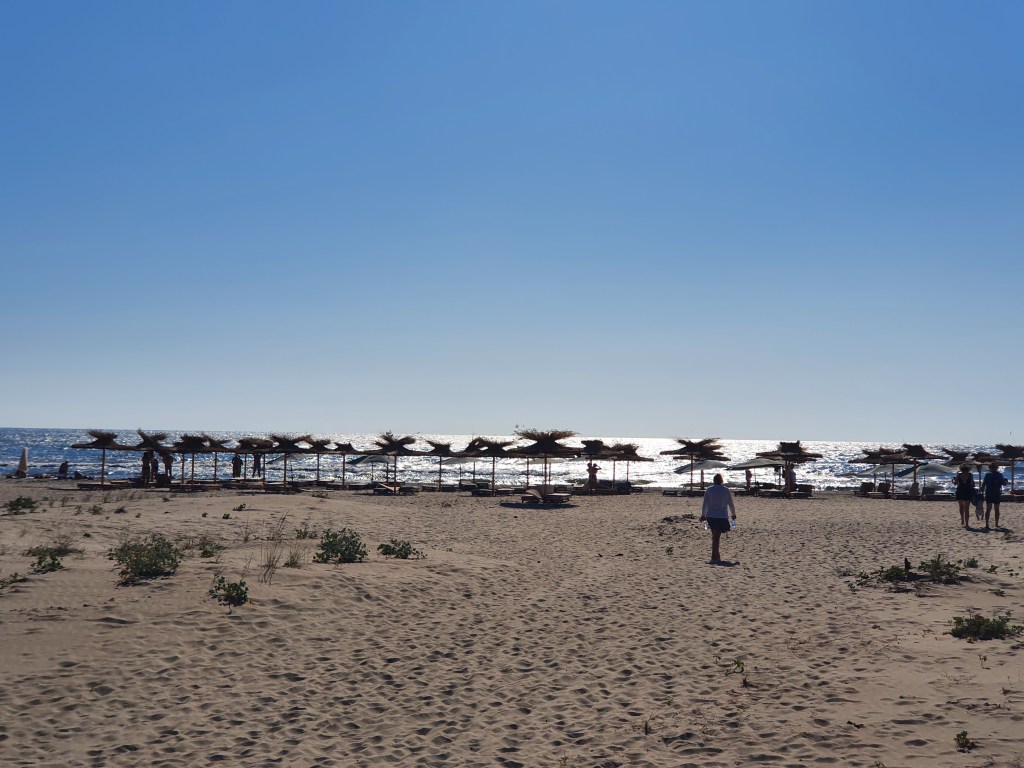
The beach 💘 Running in Sfantu Gheorghe was a great experience and a very pleasant one for my feet since there are only dirt and sand roads. The route around the town provided me almost 10 km which is my usual training, but I had plenty of opportunities to go further so I think a 12-15 km route is easy to do.
Run in the morning. Beach during the day. Movies by night. Awesome holiday.
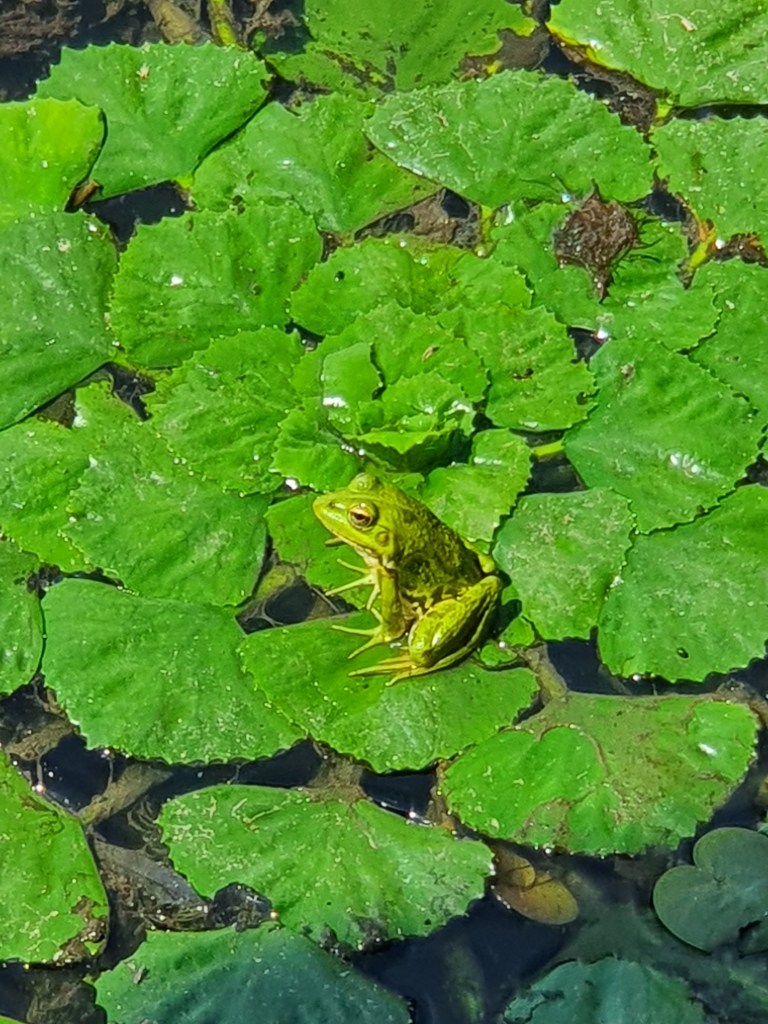
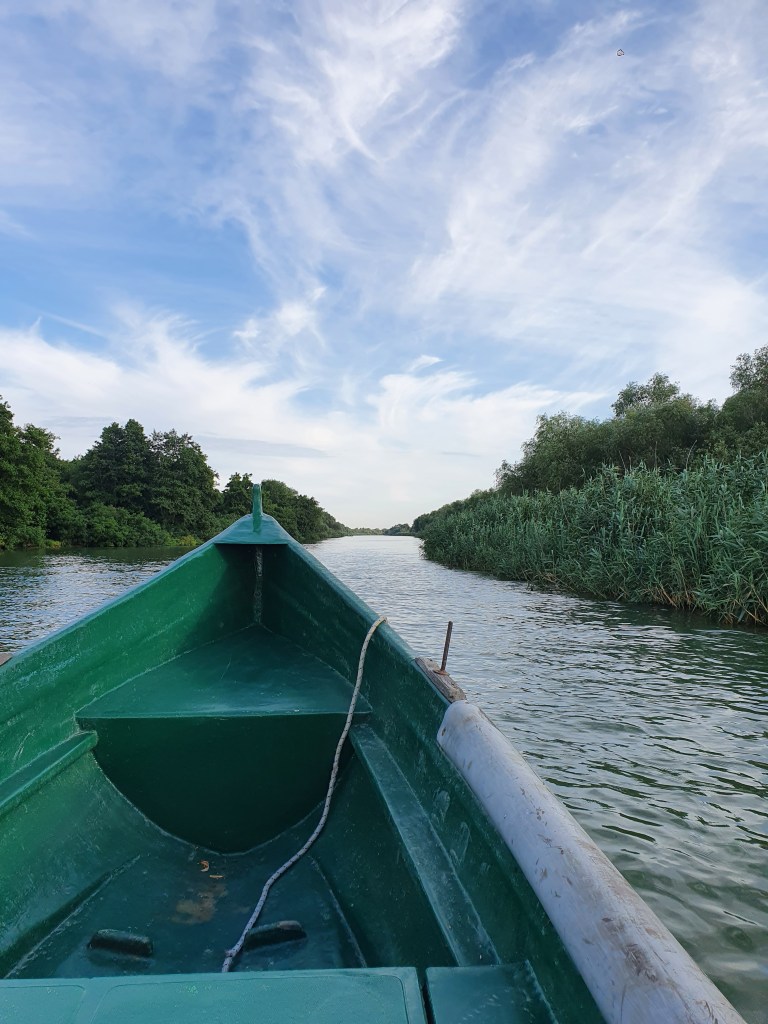
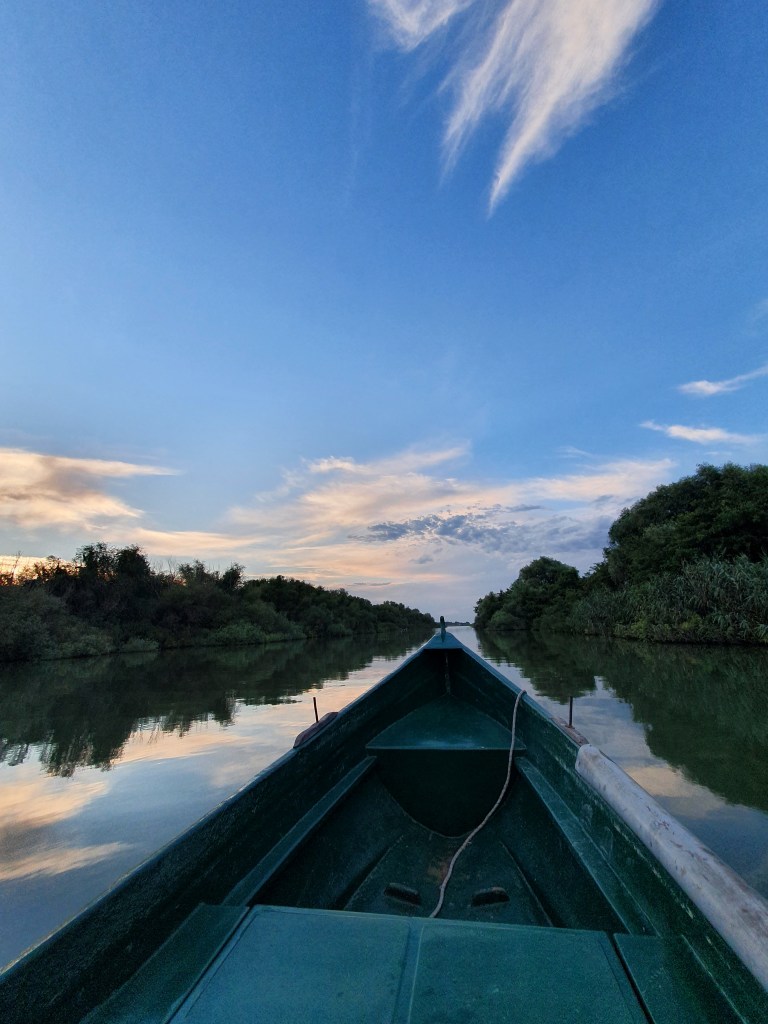
-
How I ran faster than a Kenyan on my first marathon
Truth be told I did this just for the last meters of the race. I started sprinting as soon as I had the finish line in sight; there were maybe 200 meters left and a straight line to my goal. I sprinted like a crazy pack of wolves was hunting me. It gives me the chills even now. I was so damn happy to see that finish line and fulfill my dream: that of going from the obese little kid that couldn’t run 440 meters(the length of a track lap) and that always but always finished last in the endurance races at school to the slim adult finishing a 42 km race in a decent time for someone who had started running just 6 months before.
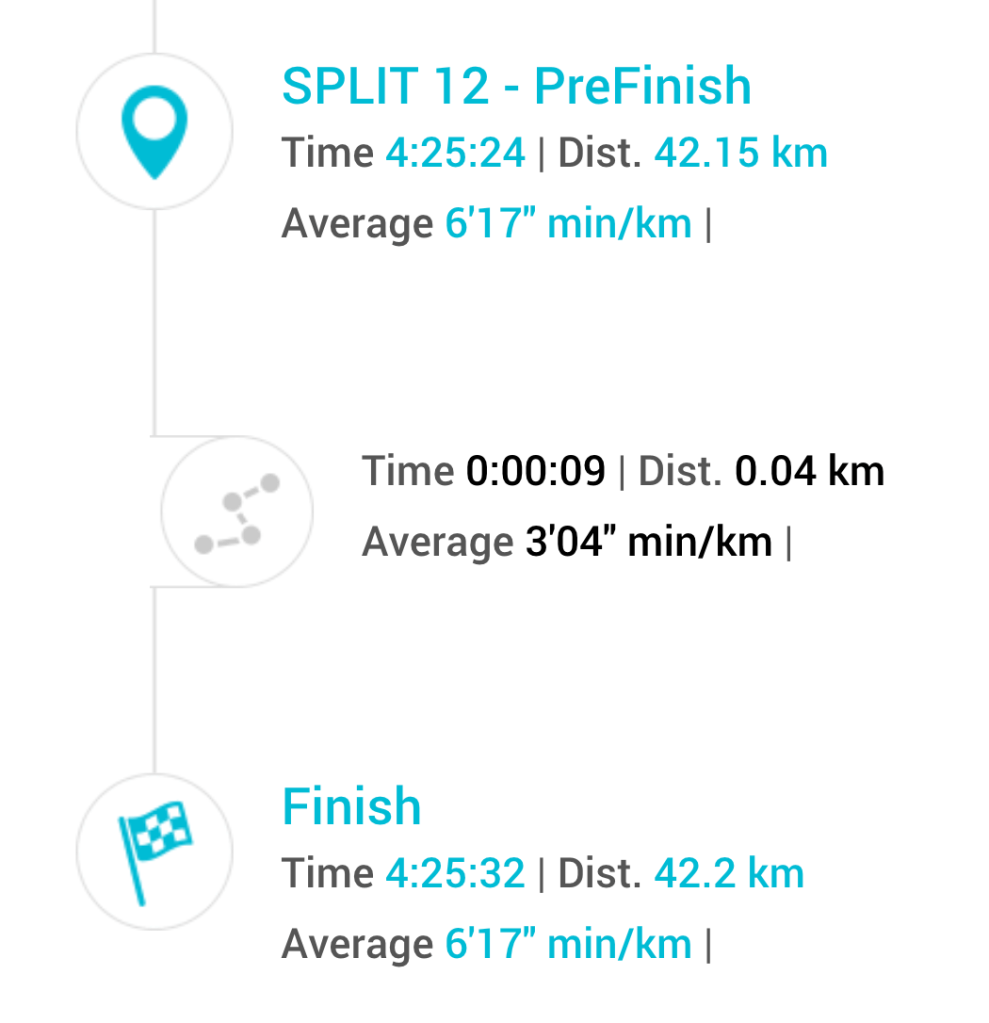
The officially registered pace for the last 40 meters: 3:04 min/km I remember feeling amazing that day. It was a pleasant autumn day in Bucharest, sunny but not very warm, even a bit chilly in the morning. There were thousands of runners at the starting line and the atmosphere was buzzing; and then it started. I was full of adrenaline, my first marathon, and I was running better than I ever did in training. My first 10 km were under one hour and after 20 km I was still going strong.
My friends were running the relay, their first ever competition. We ran together for some parts. After 25 km it got harder, a lot harder, I was slowing down and walking from time to time to catch my breath. Until then I was just running and running. My only stops were to get a bit of water at the refreshment points.
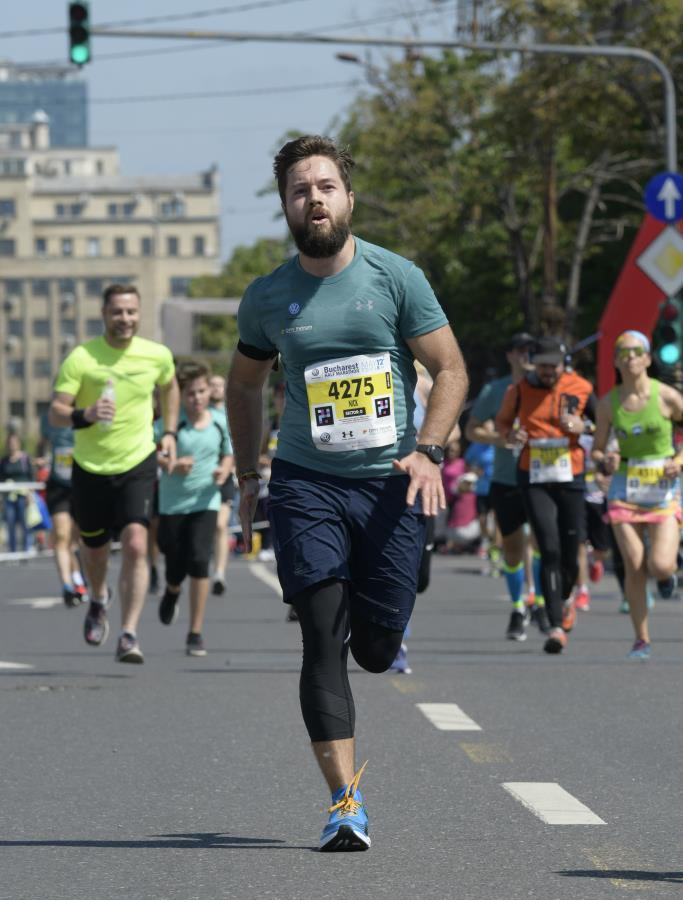
Bucharest Half Marathon a few years later At kilometer 32 my legs got stuck. Full stop, I’m barely walking. We’ve just completed the final loop around the national stadium and we’re going towards the finish line. I’m on this four lane boulevard and my muscles are clenched. I start doubting if I can continue, but at the same time I take action. I take my magnesium pill, drink more water and continue advancing one foot in front of the other and repeat.
It took me a couple of minutes but it’s working, I’m getting my mobility back. I start slowly jogging and eventually get at a decent pace. I’ve only got 5 kilometers left and I’m like: “Let’s go! Even if I have to walk all the way I’m going to finish this”.
Those last few kilometers I was pushing and pushing. I did not want to hear my legs that were telling me to stop: “Stop this madness Nick, please!”. But I was driven, I had a mission. Sure, it was artificially constructed. It was me battling me, but it felt real and it had purpose. I was proving to myself that I can do this incredible thing that I couldn’t even imagine doing a few years ago.
When I saw the 40km mark I knew it’s done. I’m going to finish. Unless an asteroid hits me in the face, I’m gonna walk, crawl, drag my feet with my hands but I’m gonna finish this.
I can see the finish line; it’s a straight line, a lot of people cheering. This is amazing! I sprint. I sprint like possessed.
It’s done. I loved every second of it. I stop, get my medal and hear “Nick!” and then again “Nick!” but with another voice. Two different female voices.
I’m still taking it in. I finished a marathon. My first marathon. And I feel amazing. WOW! Double wow when I turn my head to see the source. There I see my mom and just behind her, my back then recent girlfriend(fast forward a few years my wife). I ask myself if I’m not hallucinating. I was expecting to see my girlfriend there(it was planned) but my mom was not part of the plan. They hadn’t even met before so they’re as astonished as I am that there’s another person yelling out my name. Seems like my mom wanted to surprise me and took the train from my hometown to secretly greet me at the finish line. Thanks mom. It was a great surprise and I’m grateful you did this. I’m grateful to my wife for her continuous support, to my friends who wanted to run alongside me and to everyone who inspired me during this journey.
4 hours and 25 minutes of joy, euphoria, doubt, pain, emotion, excitement and in the end fulfillment and gratefulness. This was my first marathon, October 2016.
-
“Running with the Kenyans” Book review – Discovering the secrets of the fastest runners on Earth
Kenyan athletes dominate running competitions like no one before. Why is that?
This is the main plot of the book. It follows the story of an English journalist and runner who moves with his entire family to Kenya to train, learn and find out their secrets.
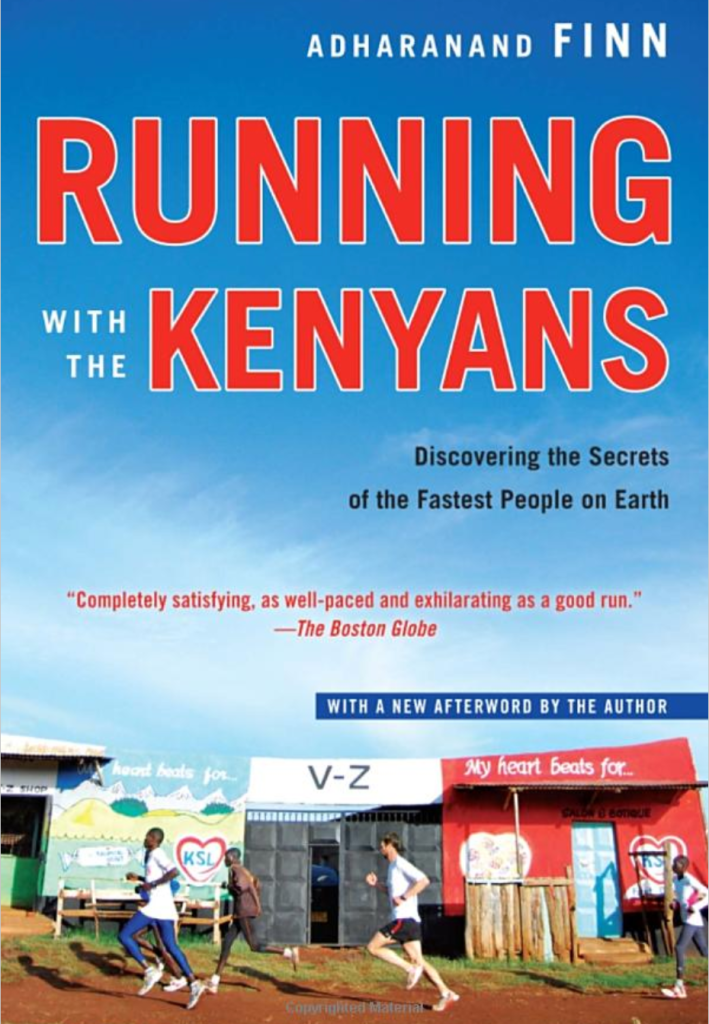
Source: Amazon The author finds himself in a totally different world: one in which people don’t run because it’s fun or because it’s healthy. No; they run because that’s how they’re going to feed their families and get out of poverty – that for them means buying a lot of cows. It’s a totally different culture.
What I found from the book to be the Kenyans secrets is a mix of:
- A very strong “Why” that gives them both motivation and meaning. They run to create a better life for them and their families. Winning a major western competition can change their lives.
- Consistency and dedication: the Kenyan athletes literally just Run, Eat, Sleep and repeat. Everyday for years. It’s their full time job. Even before winning any competition, they decide that they will become professional athletes and they do just that.
- Confidence: They believe they can beat records, run faster than anyone else and they actually do that a lot of times reinforcing that belief.
- Mindset: When they see the incline building up a hill, they don’t slow down, they increase the pace. They take the obstacle head on and take it as a blessing, a blessing that helps them get stronger.
- Humility: The top runners don’t start enjoying a luxurious life. They keep training just like before and they even clean the toilets in the training camp themselves. Why? For the edge. Because that gives them the needed toughness to cut 3 seconds off their personal best to take first place in the next competition.
- Upbringing: they run everyday as a child to school and back, maybe accounting for 10 km per day. That’s huge for a child. Also, they don’t want to be late because they could get in a lot of trouble, the physical type, so they might even run those 5 km to school at the pace of a strong training for a western athlete
- Running barefoot, because you know, they’re too poor to afford running shoes. But it’s actually working for them. This strengthens their feet and makes them naturally develop a very efficient way of running: landing on their toes and barely touching the earth. This perfect stride trained in years of barefoot running in their childhood then helps them run very efficiently, using very little energy for every step.
- Training conditions: the high altitude. In Iten, the place where the author went to train, the altitude is 2400 meters; that’s a lot. High altitude running is proven to improve endurance during intense exercise. It may increase aerobic capacity, lactic acid tolerance and oxygen flow to the muscles. Imagine doing only this kind of high altitude training your entire life.
BONUS: Ugali – the african polenta. This is more of a joke; the Kenyans joke about this themselves saying this is the ultimate secret to their performance. But there is some truth to it. The carbohydrate rich diet could be of help in running.
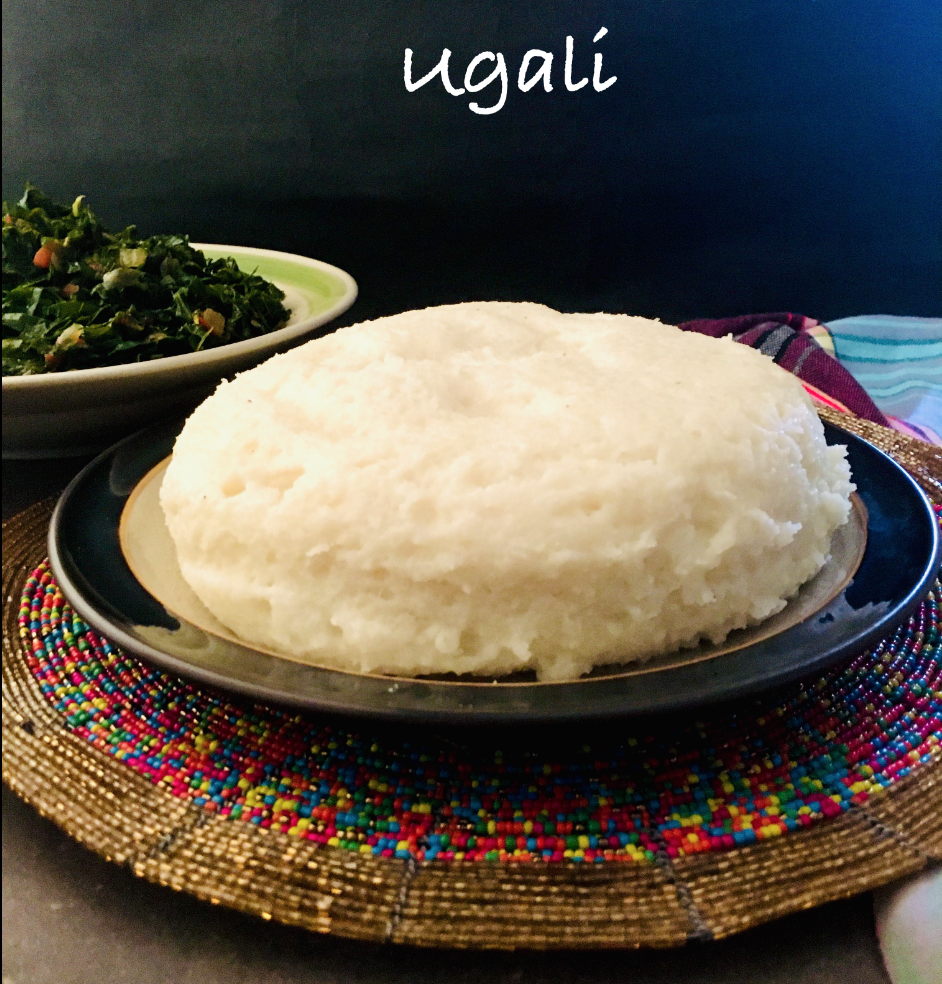
Source: Mayuris Jikoni Blog All in all it makes sense why they’re so good. And I’m really happy they are, they deserve it. They work so hard and their dedication deserves a great reward. I’m not going to start training like a Kenyan. I’m a slow runner. I run for fun and wellbeing. I’ll just enjoy seeing them run, it’s art on the move.
If you want to get immersed in a totally different culture and better understand the Kenyan mindset I totally recommend reading this book. It was a pleasant and entertaining read.
-
S24 Race review – How much can you run in 24 hours?
What is S24?
S24 is an ultra-marathon, an unusual one. You don’t get a specific number of kilometers to run, you get a specific time. You get 6, 12 or 24 hours and you have to run the most you can during that time. The runner that runs the most kilometers in the given time wins the gold medal.
Where does it take place?
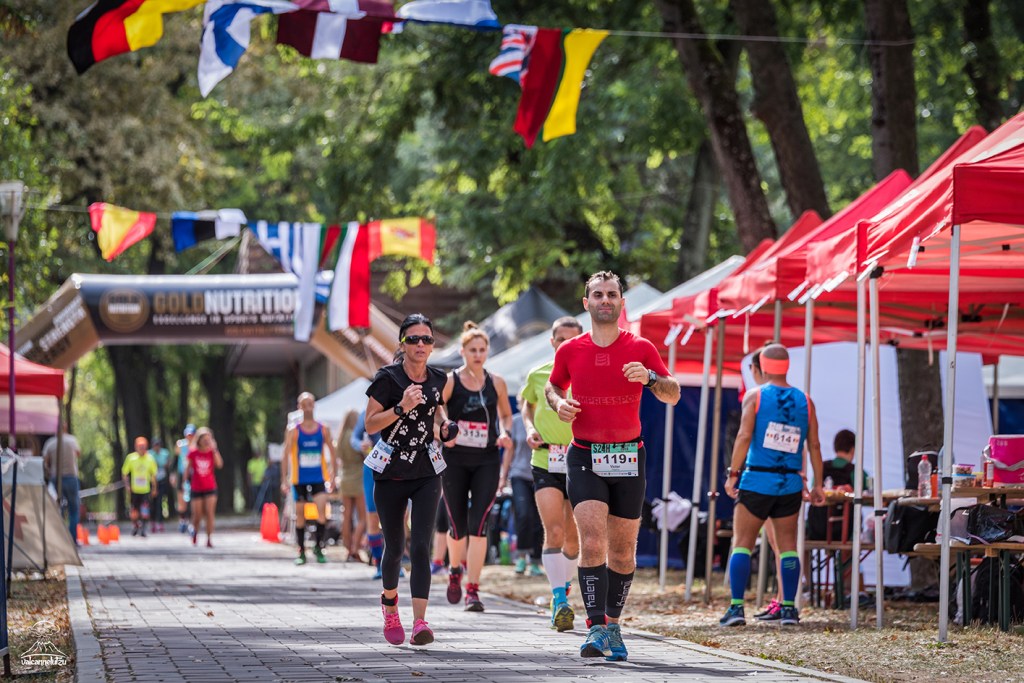
It takes place in the city of Timisoara, Romania in a park close to the city center and right next to the Bega river. The route consists of a 1,22 km loop around the park. The surface is entirely paved and at points quite narrow. There is public lightning at night but some parts can get quite dark.
What’s it like?
This is an internationally recognized race so a lot of people participate, not only locals, but also quite a few foreigners and some really good athletes. The top Romanian ultra runners usually participate and they even set new country records here. But everyone is welcomed, don’t be afraid, if I’ve run it, you definitely can too.
Organization is good, you have a checkpoint close to the start line with all kinds of goodies and water. For the long race they also provide food at lunch and dinner times. You get your own spot with a table and chair under a tent in case you want to take a breather during laps.
There’s an ambulance present at any time and people that can give you a massage to loosen up your muscles. The crowd will cheer for you and aplaude. Kids will ask why are you doing this(you’ll do this too, quite a lot) and the weather should be really good for running since the race is usually held in late May when it’s almost summer but still not that hot yet.
My experience
I ran the 24 hours race in 2019, this was my first ultra. The most I’ve ran previously was 42k, a marathon. I wasn’t accustomed to this format either, but when I decided to do this I knew this was going to be a challenge and that’s exactly what I wanted: something totally outside my comfort zone.
My training for the competition wasn’t the best either, you need a lot of time to train for something like this. That’s if you want to have a good result, if not then you still need more training then you’re probably accustomed to but it’s manageable.
My target was 100 kilometers. If I reach that number it’s amazing. I managed to run/walk 122 kilometers, that is 100 laps. Probably out of these more than a half were done walking and the rest running. But I stayed on the track for probably 22 hours. I did not sleep, just a quick nap at around 3 in the morning when my entire body had just one mission: convincing me to stop and sleep, anywhere: on the grass, on a curb, on my legs.
The last lap of my S24 race All in all for me it was an amazing experience, very well organized and a safe place to try this different world of the ultra run. I’m going to write a more detailed post about this experience to keep this one from becoming a little novel.
Conclusion
If you want to get a taste for the ultra, try this, it’s a good starting point. But please train. Train hard and do all the medical checkups, this is not a joke.
Summary
Where: Timisoara, Romania
When: Usually in late May
Format: Running for a given period of time on a 1,22 km loop on a paved surface in a park
Race types: 6, 12 or 24 hours
Website: www.s24h.ro
Home
Hello,
I’m Nick

Welcome to The Slow Run, my cozy corner of the internet dedicated to my love for running. Here, I invite you to join me on a journey of exploring, feeling and of course running. Enjoy! Slowly :)
Let’s connect
Join the fun!
Stay updated by joining my newsletter. I won’t waste your time.
 The slow run